Property value gains from home improvements hinge on ROI, durability, and market demand. Data favor high-ROI upgrades like kitchen and bathroom refreshes, improved insulation, and efficient systems. Curb appeal and outdoor living areas offer strong first impressions, while energy efficiency and smart features align with current buyer preferences. The balance of cost and longevity often determines appraisal impact. The topic invites a closer look at which upgrades hold up under scrutiny and why certain choices outperform others.
What Upgrades Give the Best Return on Investment
When evaluating home improvements for return on investment, it is essential to distinguish between cost and value added. Data indicates high-ROI upgrades include upgrading insulation to improve energy efficiency and upgrading plumbing to reduce long-term maintenance. Such measures often yield durable performance gains, attract cost-conscious buyers, and minimize ongoing expenses, aligning financial incentives with homeowner freedom to optimize comfort and sustainability without excessive expenditure.
Refresh Kitchens and Bathrooms for Maximum Impact
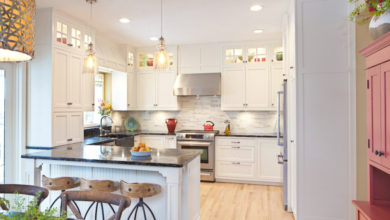
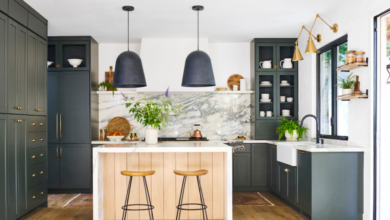
Refresh kitchens and bathrooms can deliver meaningful value by focusing on updates that balance cost with long-term appeal. In practice, evaluations compare cost per year of use, durability, and resale elasticity, with kitchen finishes and bathroom fixtures driving perceived quality upgrades. Data show modest investments yield measurable value without extensive renovations, supporting measured, scalable refresh strategies over complete overhauls.
Boost Curb Appeal and Outdoor Living on a Budget
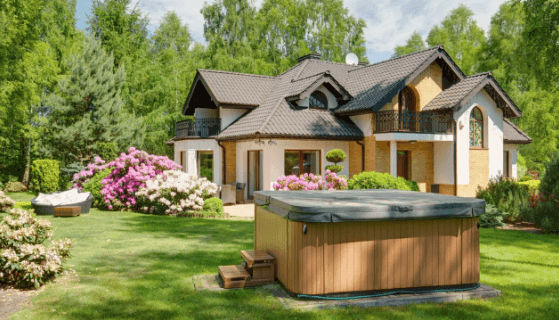
Boosting curb appeal and expanding outdoor living on a budget focuses on high-return, low-cost improvements that enhance first impressions and usable space.
Analyses indicate modest landscaping investments and durable outdoor furniture yield strong resale signals per square foot.
Strategic landscaping lighting extends evening usability, while weather-resistant outdoor furniture sustains value without frequent replacement, aligning aesthetics with function and freedom-focused consumer preferences.
Improve Energy Efficiency and Smart Home Touches
Improving energy efficiency and integrating smart home features can lower operating costs and enhance long-term value. Analytical assessment shows better insulation, high-efficiency HVAC, and LED lighting yield measurable savings. Smart home touches, including programmable thermostats and integrated security, attract buyers seeking autonomy and reliability. Energy efficiency and Smart home adoption correlate with higher appraised values, faster market interest, and sustainable asset performance.
Frequently Asked Questions
How Long Does the ROI Typically Take to Realize After Upgrades?
The roi timing varies by project and market, but generally, the hold period to realize roi is two to five years; owners should expect modest annual gains, with larger premium projects potentially extending the timeline beyond five years.
Do Rental Properties Affect Value Differently Than Owner-Occupied Homes?
Contrasts reveal that rental vs owner occupied properties exhibit different value impact; rental properties show steadier cash flow yet lower personal equity growth, while owner-occupied homes often appreciate due to stability and sentiment, influencing overall value impact comparison.
Which Renovations Add Value Without Increasing Tax Liability?
Upfront remodels and tax friendly upgrades can add value without raising immediate tax liability, since strategic renovations focus on durable improvements and efficiency. Data suggests durable systems yield return while keeping depreciation benefits and deductible operating costs favorable for freedom-minded investors.
Are There Regional Differences in Which Improvements Pay off Most?
Regional differences influence ROI; market demand drives variation across regions, with certain upgrades outperforming in some areas and underperforming in others. An analytical, data-driven view shows tangible disparities, guiding property decisions toward locally valued improvements without political entanglements.
Should I Prioritize Short-Term Resale Value or Long-Term Comfort?
Historically, prioritizing long term comfort yields steadier utility and durable occupant satisfaction, whereas short term resale spikes can be volatile; overall, analyses favor balancing strategies to optimize both short term resale potential and long term comfort.
Conclusion
This analysis shows that value hinges on balanced, data-driven choices. Upgrades with proven ROI—efficient insulation, dependable plumbing, and durable surfaces—combine cost effectiveness with long-term savings. Refreshing kitchens and baths yields high appeal without overinvesting, while affordable curb appeal and outdoor living expand usable space. Energy efficiency and smart features attract buyers and shorten time on market. Informed decisions, strategic budgeting, and measurable results consistently correlate with stronger appraisals and quicker sales.