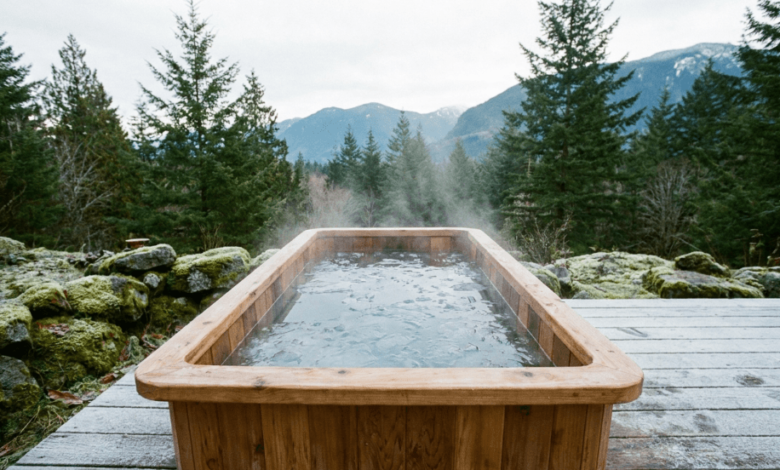
A budget cold plunge setup, whether a stock tank filled with ice or an entry-level chiller-cooled tub, can deliver the same post-workout recovery input as an expensive one: water in roughly the 50 to 59 degree Fahrenheit range for five to fifteen minutes. What actually determines the benefit is hitting that temperature and duration consistently, not how much the equipment cost. Here is how to build and use a low-cost setup without giving up the parts of the routine that the research actually supports.
What Is a Post-Workout Cold Plunge Actually Supposed to Do?
The idea behind a post-training plunge is to reduce perceived muscle soreness and speed up how ready you feel for the next session, not to eliminate soreness entirely or reverse training fatigue overnight. A 2012 Cochrane review associated cold-water immersion with modestly reduced perceived soreness compared to passive recovery, and a 2023 meta-analysis in Frontiers in Physiology found a similar modest association with short-term recovery markers across pooled trials. Both are honest, limited findings, useful context for setting realistic expectations before spending money on equipment.
What’s the Cheapest Setup That Still Hits a Real Cold Temperature?
A galvanized stock tank or a heavy-duty inflatable tub, filled with cold tap water and topped off with bagged ice, is the least expensive way to reach a genuinely cold temperature, typically costing well under $500 total for the tank and a floating thermometer to confirm you have actually hit target range. It takes more manual effort each session, roughly 20 to 40 pounds of ice depending on tank size and starting water temperature, but the physiological input is the same as a pricier chiller-cooled tub. This is the right starting point for anyone unsure whether the habit will actually stick before committing to bigger equipment.
When Does It Make Sense to Step Up to a Basic Chiller?
Once cold plunging becomes a genuine three-or-more-times-a-week habit, the ongoing cost and hassle of buying and hauling ice starts to add up, both in dollars and in the time it takes before every session. An entry-level chiller-cooled unit removes that prep step and holds a set temperature automatically, which matters most for anyone training on a tight schedule where the plunge needs to be ready the moment a workout ends. It is a reasonable upgrade once the routine has proven itself, not a requirement to get started.
How Soon After a Workout Should You Actually Get In?
Most of the studied protocols have participants entering the water within 30 to 60 minutes of finishing exercise, while the body is still elevated in temperature and heart rate from the session. For general fitness or endurance training, that window is a reasonable target. If the workout was heavy resistance training aimed at building muscle, there is a real tradeoff to weigh: cold exposure applied immediately afterward has been associated in some research with blunted strength and hypertrophy adaptations, so waiting several hours, or plunging on a separate day from heavy lifting, is the more cautious approach for anyone prioritizing muscle growth.
What Does a Realistic Weekly Routine Look Like on a Budget?
Three sessions a week, five to ten minutes each, after cardio or lighter training days, is a sustainable starting cadence that matches most of the studied protocols without requiring daily ice runs or a premium chiller. Tracking water temperature with a cheap floating thermometer keeps sessions consistent, which matters more for getting a real benefit than session length does once you are past the five-minute mark. Skipping a session when the water has warmed up too much from a warm afternoon is better than getting in anyway and not actually hitting a cold enough temperature to matter.
How Do You Keep a Budget Tub Sanitary Without Expensive Filtration?
A basic cartridge filter and a small dose of chlorine or bromine, similar to what a small above-ground pool uses, keeps a budget stock-tank setup usable for a week or two between full drains, well short of the ozone systems built into premium units but adequate for a household of one or two people. Draining and scrubbing the tank fully every one to two weeks, more often in warm weather, is the low-cost substitute for the continuous filtration a pricier tub runs automatically. It takes more manual attention but avoids a real ongoing equipment cost.
What Extra Gear Actually Helps, and What’s a Waste of Money?
A cheap floating pool thermometer, usually under $15, does more for a budget recovery routine than almost anything else on the accessory list, since it is the only way to confirm a session actually hit the target range rather than guessing based on how cold the water feels. A simple kitchen timer or phone timer covers session length without needing a dedicated device. Neoprene booties or gloves, while not essential, make a real difference in how long someone can comfortably hold a session in genuinely cold water, which matters more for consistency than for the physiological effect itself. Skip anything marketed as boosting the recovery benefit beyond temperature and time, since nothing in the research supports added equipment changing the outcome.
Is It Worth Comparing Entry-Level Chiller Packages Before Buying?
Once ice runs stop feeling worth the effort, it is worth pricing entry-level chiller-cooled packages rather than assuming the cheapest one is the best deal; chiller horsepower, tub capacity in gallons, and included filtration vary enough between models that two similarly priced units can perform very differently day to day. You can see the full lineup of chiller-cooled options alongside a couple of other sellers to compare specs before deciding whether the upgrade from a stock tank actually makes sense for your routine yet.
Frequently Asked Questions
How long should a post-workout cold plunge session last? Most studied protocols use somewhere between five and fifteen minutes at a cold but tolerable temperature; going longer does not appear to add meaningful benefit and mainly adds discomfort.
How soon after training should you get in? Within about 30 to 60 minutes of finishing a session is typical in the research, though if you lift for strength or hypertrophy, waiting several hours may protect those adaptations better than plunging immediately.
Do you need a chiller to get a real recovery benefit? No. What matters is hitting a genuinely cold water temperature, which a stock tank and enough ice can achieve just as well as a chiller-cooled unit; the chiller mainly buys convenience.
Is it fine to cold plunge after every single workout? For most cardio or general fitness sessions, yes, if it feels manageable. After heavy resistance training aimed at building muscle, spacing it out or waiting several hours is generally the more cautious approach.
References
- Cold-water immersion (cryotherapy) for preventing and treating muscle soreness after exercise, Cochrane Database of Systematic Reviews, 2012
- Effects of cold water immersion after exercise on fatigue recovery and exercise performance: meta analysis, Frontiers in Physiology, 2023
- Effects of cold-water immersion on health and wellbeing: A systematic review and meta-analysis, PLoS One, 2025