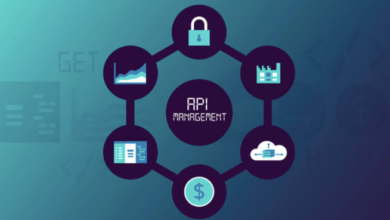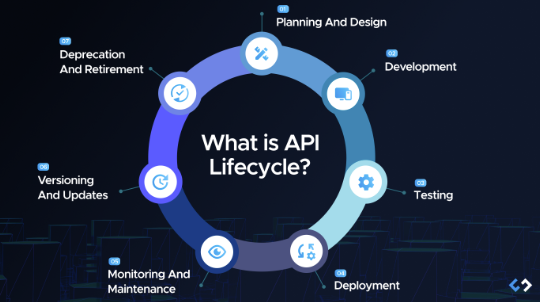
API lifecycle management embodies disciplined governance from conception to retirement. It emphasizes design patterns, versioning strategy, and secure deployment with measurable gates. Practices center on repeatable processes, risk reduction, and backward compatibility where feasible. The approach balances evolution with stability, enabling cross-functional collaboration and auditable decision making. A strategic question remains: how can organizations codify governance without stifling agility, ensuring interoperability while driving resilient operations?
What Is API Lifecycle Management and Why It Matters
API lifecycle management (ALM) is the disciplined practice of governing an API from conception through retirement, ensuring alignment with business goals, security requirements, and operational standards. It frames governance models as strategic controls, enabling agile adaptation while preserving integrity.
Design patterns offer reusable solutions, accelerating consistency.
A clear ALM posture supports freedom-by-constraint, guiding teams toward measurable outcomes, risk reduction, and sustainable API excellence.
Designing and Versioning APIs for Scalable Governance
Strategic planning defines version strategies, ensuring backward compatibility, controlled deprecation, and clear governance metrics.
Freedom-minded teams institutionalize disciplined collaboration, reducing risk while enabling scalable, repeatable API governance.
Deploying, Monitoring, and Securing APIs in Production
Deploying, monitoring, and securing APIs in production builds on governance-aware design and versioning by translating architectural choices into operational controls. The approach emphasizes deploying strategies that align with policy, risk, and resilience, while establishing measurable governance gates. Clear monitoring metrics enable rapid accountability and corrective action, ensuring security, reliability, and interoperability across ecosystems without sacrificing freedom or agility.
Deprecation, Migration, and Continuous Improvement of APIs
How can an API program sustain value over time through disciplined deprecation, deliberate migration, and relentless continuous improvement? Governance teams define deprecation strategies, align stakeholder expectations, and document lifecycle criteria. They craft migration pathways that minimize disruption and maximize interoperability. Continuous improvement cycles institutionalize measurement, feedback, and refactoring, ensuring standards adherence, backward compatibility where feasible, and enduring agility across ecosystems.
Frequently Asked Questions
How Do I Measure the ROI of API Lifecycle Initiatives?
ROI measurement ideas include modeling revenue uplift, cost-to-serve reductions, and adoption velocity; lifecycle metrics track time-to-market, compliance, and reuse. The approach aligns with strategic governance, standards-driven controls, and an ethos of architectural freedom.
Which Governance Roles Are Essential in API Programs?
Approximately 68% of teams align on governance roles within the first year, illustrating discipline’s impact. The essential governance roles define stakeholder responsibilities, guiding policy, compliance, and risk. This strategic, standards-driven framework empowers freedom through clear accountability.
What Is the Cost of API Lifecycle Tools and Licenses?
The cost of API lifecycle tools varies by vendor, license model, and deployment. A strategic view emphasizes total cost of ownership, including maintenance and scalability; governance-aware choices favor transparent cost structure and flexible license models for freedom.
How Do I Handle Multi-Cloud API Lifecycle Management?
Multi cloud approaches require centralized lifecycle governance, standardized controls, and interoperable policies. The strategy emphasizes platform-agnostic stewardship, cross-cloud compliance, and transparent decision rights, enabling freedom while ensuring consistent governance, risk management, and measurable lifecycle outcomes across environments.
See also: API Gateways Explained
What Are Best Practices for API Incident Response?
An API incident should trigger predefined playbooks, with rapid containment, root-cause analysis, and post-incident reviews. Emphasize lifecycle observability, governance roles, and standardized communications to sustain strategic risk controls and enable freedom within established standards.
Conclusion
In the orchestration of API lifecycles, governance acts as the compass guiding every corridor from conception to retirement. Like a lighthouse along a stormy sea, standards illuminate decisions on versioning, deployment, and security, ensuring ships sail with backward compatibility where possible. Each deprecation is a careful waypoint, each migration a practiced maneuver. Through disciplined design and ongoing improvement, organizations transform chaotic changes into repeatable, scalable workflows that sustain trust, interoperability, and resilient, enterprise-wide agility.