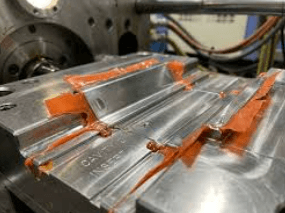
In the manufacturing world, injection molding is the gold standard for producing high-quality plastic components at scale. The process seems straightforward: melt plastic resin, shoot it into a metal mold under high pressure, let it cool, and eject a finished part.
However, behind this simple concept lies a highly volatile mix of fluid dynamics, thermal transitions, and pressure shifts. If a single variable—like wall thickness, gate placement, or melt temperature—is off by even a fraction, your production run will face a frustrating wave of quality issues.
Historically, fixing these defects required an expensive cycle of trial-and-error: physical machining, testing, modifying, and often scrapping entire metal molds. Today, smart manufacturers eliminate this waste by diagnosing and fixing problems digitally before cutting any metal.
Common Injection Molding Defects and Their Root Causes
Before looking at how software fixes these issues, let’s break down the most common physical defects that ruin plastic parts:
1. Short Shots (Incomplete Filling)
A short shot occurs when the molten plastic solidifies before completely filling every corner of the mold cavity, leaving you with an incomplete, hollowed, or deformed part. This typically happens due to low injection pressure, thin wall profiles, or freezing resin.
2. Weld Lines (Structural Weak Spots)
When liquid plastic flows around an internal obstruction (like a hole for a screw), the flow splits into two streams and merges back together on the other side. If the plastic cools too much before meeting, these streams won’t fuse perfectly. This creates an ugly cosmetic line that easily cracks under stress.
3. Warpage (Twisting and Bending)
Plastics shrink as they cool. If different areas of your part cool at different rates—for example, a thick corner cooling slower than a thin wall—the uneven internal stress will cause the final part to twist, warp, or bend out of shape.
[Hot Liquid Plastic Injected] ➔ [Uneven Cooling Rates] ➔ [Internal Material Stress] ➔ [Warped/Defective Part]
How Mold Flow Analysis Diagnoses Defects Digitally
Mold Flow Analysis (MFA) is a specialized simulation tool that recreates the injection molding process inside a virtual sandbox. By analyzing your digital 3D model alongside the exact chemical properties of your chosen plastic resin, it shows you exactly how the material will behave.
Leveraging mold flow analysis and defect prevention allows design teams to preview a color-coded animation of the filling cycle in real-time. It highlights exactly where air traps will form, maps out pressure drops, and pinpoints where weld lines will land, letting you optimize gate placements or modify wall geometries directly in your software.
Bringing Factory Precision Down to the Workshop Scale
Understanding these advanced engineering principles isn’t just for massive industrial assembly plants anymore. As digital manufacturing continues to decentralize, smaller design studios, hardware startups, and independent inventors are now producing retail-ready components straight from their home workbenches.
This professional evolution is exactly what drives the hardware innovations behind the Two Trees desktop machines ecosystem. By engineering rigid, high-precision desktop fabrication tools, they enable creators to bridge the gap between virtual design and physical prototyping safely.
When you validate your complex product housings using digital simulations like mold flow analysis first, your small-scale prototyping runs and desktop molding setups can execute flawlessly without wasting expensive polymers or damaging budget aluminum molds.
See also: Feline Kidney Disease Life Expectancy: Factors, Treatments, and Longevity Strategies
Quality Control Impact Matrix
| Manufacturing Defect | Traditional Fix (Without Simulation) | Modern Fix (With Mold Flow Analysis) |
| Short Shots | Crank up machine pressure (risks flashing) or weld/re-machine metal channels. | Adjust gate locations or widen thin wall profiles virtually in CAD first. |
| Weld Lines | Sanding and painting post-production to hide cosmetic flaws. | Reposition injection points to push weld lines to non-structural, hidden areas. |
| Warpage | Extending cooling cycle times on the line, slowing down overall production. | Optimize cooling channel geometry inside the tool for uniform heat dissipation. |
| Air Traps | Discovering burnt edges during physical tests; manually milling gas vents. | Precisely locate mechanical vents on the mold design before cutting tool path lines. |
Final Verdict: Optimize Before You Manufacture
In modern product development, guessing is a recipe for expensive delays. Injection molding defects are almost never random accidents; they are the direct physical results of improper thermal boundaries, incorrect part geometry, or poor mold gating.
By integrating Mold Flow Analysis into your initial design pipeline, you take complete control over your hardware development. You save thousands in mold modification costs, keep your material waste down to zero, and guarantee that when your designs transition from a desktop screen to a real manufacturing run, every single part comes out structurally flawless, visually pristine, and perfectly true to your original vision.