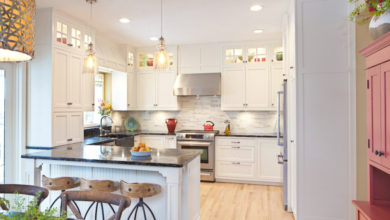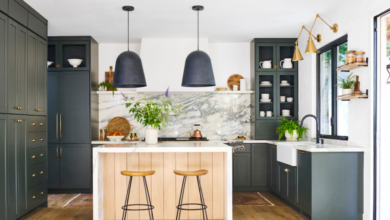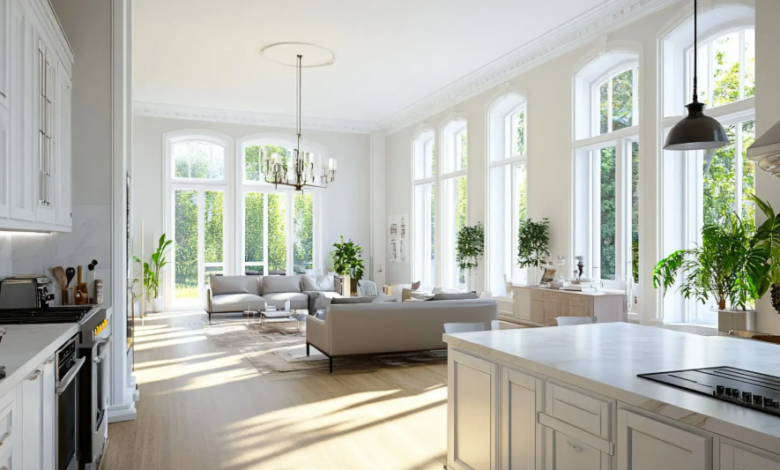
Achieving better kitchen visibility requires a structured lighting plan. Layering with task, ambient, and accent illumination sharpens prep zones, sinks, and storage areas while preserving color fidelity. The approach emphasizes color-accurate bulbs, dimmers, and glare-controlled layouts to maintain true food tones and comfortable brightness. Fixtures should align with work zones for efficiency and future upgrades. The result is functional clarity with a poised aesthetic, inviting further evaluation of layout and controls.
Identify Your Kitchen’s Lighting Goals
Identifying the kitchen’s lighting goals involves defining the primary tasks the space must support and the mood it should convey. An objective approach to goal setting clarifies functional zones, ensures adequate color rendering, and frames energy use. Color temperature selections influence perception and ambiance, guiding fixture placement. Precision in planning yields flexibility, aesthetic harmony, and measurable improvements in visibility and comfort.
See also: Kitchen Improvement Ideas for Modern Homes
Layer Lighting: Task, Ambient, and Accent Setup
Layered lighting in the kitchen integrates task, ambient, and accent layers to create a functional and visually balanced environment. The framework distinguishes task lighting for precise work, ambient lighting for general coverage, and accent lighting for focal points. Proper layering ensures consistent brightness, minimal glare, and adaptable mood, enabling freedom of movement while maintaining rigorous visual efficiency and architectural coherence.
Choose Color-accurate Bulbs and Dimmers for Clarity
Color-accurate lighting ensures that kitchen tasks and displays are perceived faithfully, supporting reliable judgment of food colors and textures. The discussion emphasizes choosing color accurate sources and dimmers with compatible controls, ensuring brightness consistency across zones. Guidance relies on Color rendering index (CRI) values, emphasizing dimmer compatibility, stable spectral output, and minimized color shift to maintain precise visual evaluation for culinary work.
Practical Layouts and Fixtures by Zone
Practical layouts and fixtures by zone translate kitchen functionality into measurable, repeatable design decisions.
Zone by zone layout considerations optimize task areas, circulation, and ambiance with minimal waste.
Fixture placement aligns light layers to work surfaces, prep zones, and storage alcoves, ensuring glare reduction and uniformity.
Precision, consistency, and freedom-driven aesthetics guide seamless integration of controls, future upgrades, and energy efficiency.
Frequently Asked Questions
How Many Lumens per Square Foot Suits a Kitchen Task Area?
A suggested range is 70–100 lumens per square foot for task area lighting. For kitchens, this is optimized when task area lighting emphasizes work surfaces, enabling precise tasks while maintaining overall ambient balance with focused, aesthetic, freedom-oriented illumination.
Which Color Temperature Best Suits Meal Prep and Dining?
A sublime glow, almost volcanic, favors 4000–4500K for meal prep and dining. Nutrition lighting emphasizes true color rendering; 3500K offers warmth for a cozy coffee bar while preserving clarity for precise chopping and plating.
Do Smart Bulbs Save Energy in a Kitchen Setting?
Smart bulbs save energy in a kitchen setting by reducing wattage during idle periods and leveraging motion sensors; kitchen automation enables scheduled dimming and adaptive lighting, optimizing consumption while preserving ambiance for a自由-minded user.
How Often Should Kitchen Lighting Be Professionally Audited?
Auditing cadence for kitchen lighting is typically every 3–5 years, based on usage and fixture quality. A professional assessment ensures optimal performance, safety, and aesthetics, balancing energy awareness with design freedom. Regular reviews sustain consistent illumination and reliability.
Can Under-Cabinet Lights Double as Mood Lighting?
Under cabinet lights can function as mood lighting, though performance depends on color temperature and dimming range. They provide atmospheric illumination when paired with appropriate control systems, offering aesthetic flexibility while maintaining task precision and a sense of liberated design.
Conclusion
In sum, the kitchen’s lighting system should be purpose-built, zone-oriented, and capable of seamless modulation. By layering task, ambient, and accent light, and employing high-CRI, dimmable bulbs, the workspace gains color fidelity and clarity while preserving energy efficiency. Fixtures must be positioned to minimize glare and ensure even surface coverage, with controls that are reliable and flexible for upgrades. This deliberate balance—function, aesthetics, and adaptability—renders the heart of the home both safer and more inspiring.